


A good feasibility study can save you from making some very expensive mistakes. Sometimes that means discovering your original plans need to change before you’ve committed too much time and money to them.
We’re currently undertaking a complex feasibility study for a client. They’ve invested in the process and brought on board the right people at the right time. Not too many consultants, but the right expertise to properly investigate the building, develop the proposals and test the available options.
Last month, as a design team, we presented our findings to the client. This month, we’re back to the drawing board!
The original scheme and idea simply didn’t work financially or within the timescales the client wanted. Now, I suspect some people would consider that a waste of time and fees. Why spend money investigating and developing a scheme that you might end up throwing away?
I’d argue that finding this out now is one of the best possible outcomes from the feasibility process. Obviously, the best outcome would be that the project is viable and can progress. But discovering that a scheme doesn’t work, while you still have the opportunity to do something about it, can be incredibly useful. And potentially save the client a considerable amount of money.
What should a feasibility study achieve?
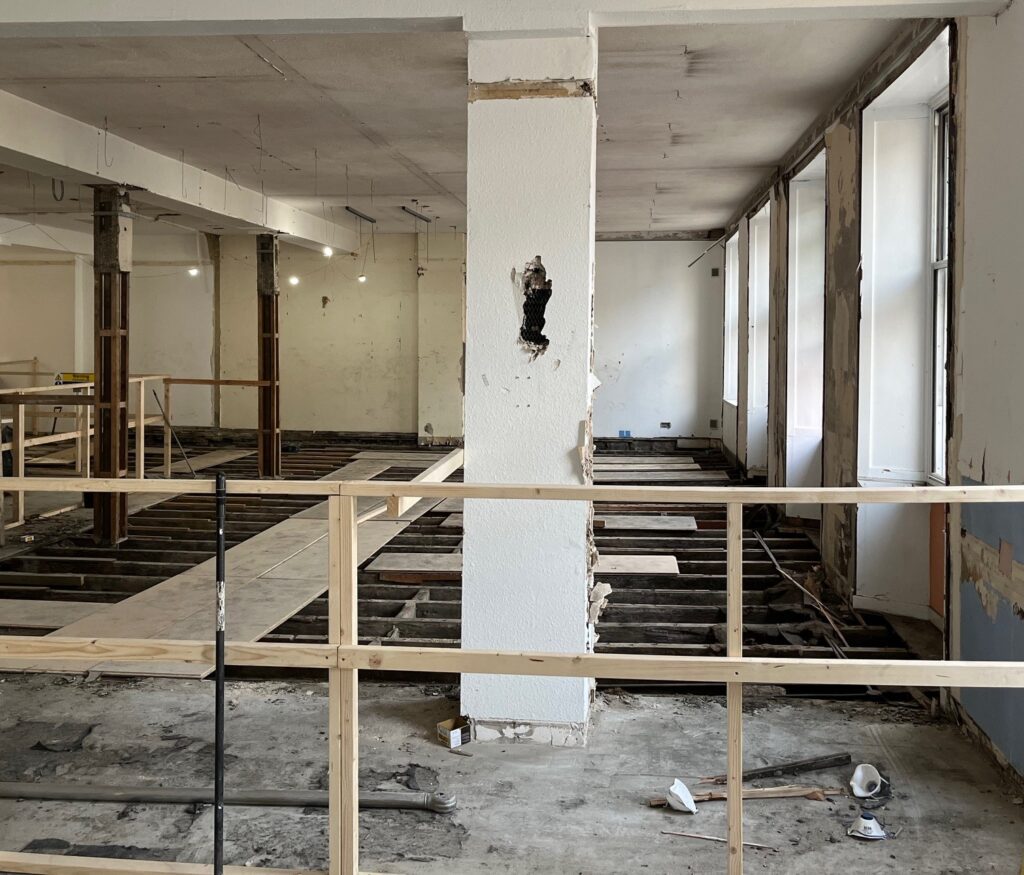
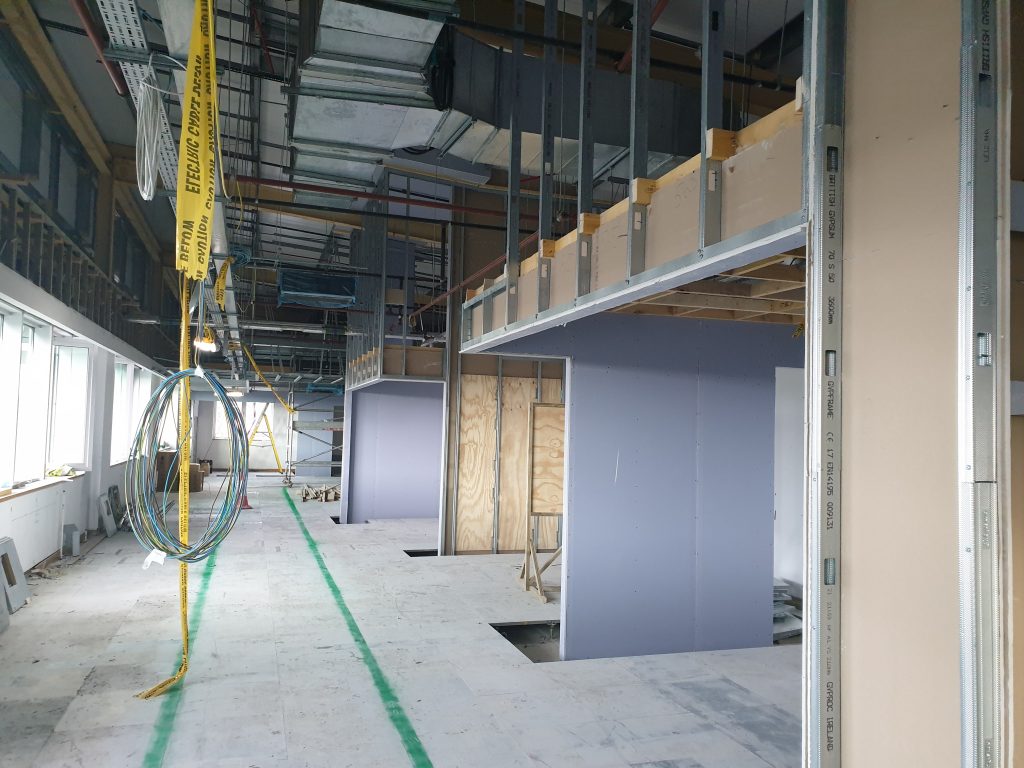
A feasibility study should give a client enough information to decide whether a proposed project is worth pursuing, and on what basis. For a commercial refurbishment or retrofit project, that might involve investigating the existing building, considering different design options, understanding the likely construction costs and testing whether the proposals can be delivered within the available programme.
There are usually quite a few unknowns at this stage. The building might have hidden defects or limitations. The proposed design might require more extensive structural or building services alterations than originally anticipated. There could be planning considerations, operational constraints or long lead-in items that affect the programme. And, of course, there’s the question of cost.
A quantity surveyor should be involved in testing the financial implications of these issues as the options develop, so the client understands what they’re potentially committing to. The level of investigation needs to be proportionate to the project and the decisions being made. You can spend an awful lot of money investigating every possible issue, and that’s unlikely to be sensible either. The skill is understanding which questions need answering now, which risks can reasonably be managed later and where further investigation could materially change a decision.
The value of finding out early
Coming back to our current project, I think the client deserves a lot of credit. They’ve invested in getting the right advice early, and they’re prepared to reconsider their original plans based on what we’ve found.
That isn’t always an easy decision. By the time a client has developed an idea for a project, they’ve often spent months thinking about what they want to achieve. They might have discussed it internally, secured initial approvals or started setting expectations with the people who will eventually use the building. There’s understandably a desire to make that original idea work.
In this case, the client now has the opportunity to explore different options, reconsider what they want to achieve and make informed decisions before committing to a particular scope of work. And importantly, the feasibility work hasn’t been wasted. The team has developed a much better understanding of the building, the constraints, the costs and the programme. That information can now be used to test the next set of options.
Why changing direction later becomes expensive
I’ve seen plenty of projects where this decision point comes much later. The design has progressed, consultants have spent months developing it, expectations have been set and the client has become committed to a scheme that costs considerably more than they originally wanted to spend. At that point, the options become much more limited.
There’s a tipping point in most projects where the opportunity to make meaningful savings starts to reduce. Early in a project, you can consider fundamental questions. Do we need to undertake all the proposed works? Could we retain more of the existing building? Is there a different approach to the building services? Could the works be phased? Is the proposed programme realistic? These decisions can have an enormous influence on the eventual construction cost.
Once the design has progressed, the focus often moves towards reviewing specifications, challenging rates, considering alternative products and negotiating with contractors. All perfectly reasonable things for a QS to be doing. But there’s only so much you can achieve through those exercises if the big early decisions are driving the cost.
Making substantial changes to the design at that stage can mean redesign fees, programme delays, repeated coordination work and potentially abortive costs. And those costs can be far greater than the money that would have been spent properly testing the options at feasibility stage.
A good QS should help you avoid expensive mistakes
We often talk about quantity surveyors saving clients money. And yes, that’s part of our job. We should be challenging costs, interrogating prices, identifying opportunities and making sure clients are getting good value for their investment. But I think a lot of our value comes from preventing clients from making expensive, potentially irreversible mistakes.
That means getting involved while the big decisions are still being made. It means understanding what the client is trying to achieve, questioning assumptions, identifying risks and providing realistic cost advice that allows the team to make informed decisions.
Sometimes that advice will confirm that a project is financially viable. Sometimes it will identify changes that could make a scheme more affordable or deliverable. And occasionally, as we’ve found on our current project, it will show that the original proposal needs a rethink.
That’s why I know it’s so important to have the right people involved at the right time. You need enough expertise to properly investigate the options and challenge the assumptions, without unnecessarily increasing the cost of the feasibility process itself.
Making the best decisions while you still can
The next stage of our client’s project will involve reconsidering the available options using everything we’ve learnt so far. We don’t yet know exactly what the final solution will look like. What we do know is that the client has avoided committing to a scheme that wasn’t going to meet their financial and programme requirements. And that’s a pretty good outcome from a feasibility study.
Sometimes the best outcome is simply finding out that your original idea needs to change, and finding that out early enough to do something about it.
About the author

David Shaw
Director at Torridon | Chartered Quantity Surveyor
Cost consultancy expert specialising in commercial refurbishment and fit-out projects
Get in touch: